Glutathione And Reduced Glutathione Which glutathione is best reduced or oxidized?
Which Glutathione Is Best Reduced or Oxidized? A Consumer-Style Guide to Forms, Dosing, and What to Expect
Quick navigation: reduced vs oxidized meaning, practical benefits/shortfalls, what research supports, how to choose formats, a comparison table, red flags, common mistakes, FAQ (including oral vs injection/alternatives), and a 2-week experiment framework.
Why people search this: “Which glutathione is best reduced or oxidized?” tends to come from supplement shoppers trying to make sense of a two-part label. One side claims “reduced glutathione” is closer to the antioxidant-active form; the other markets “oxidized glutathione” as an antioxidant “partner” in glutathione cycling. Because both show up in reviews, it’s natural to want a clear winner.
My consumer-style take: If you’re deciding between reduced glutathione vs oxidized glutathione, the “best” choice is usually the one that matches your tolerance, your budget, and the product’s formulation quality—not simply the label. The form matters, but so does delivery (capsule vs liposomal), dose, and how consistently you use it.
What Which Glutathione Is Best Reduced or Oxidized Is and Who It Might Fit Best
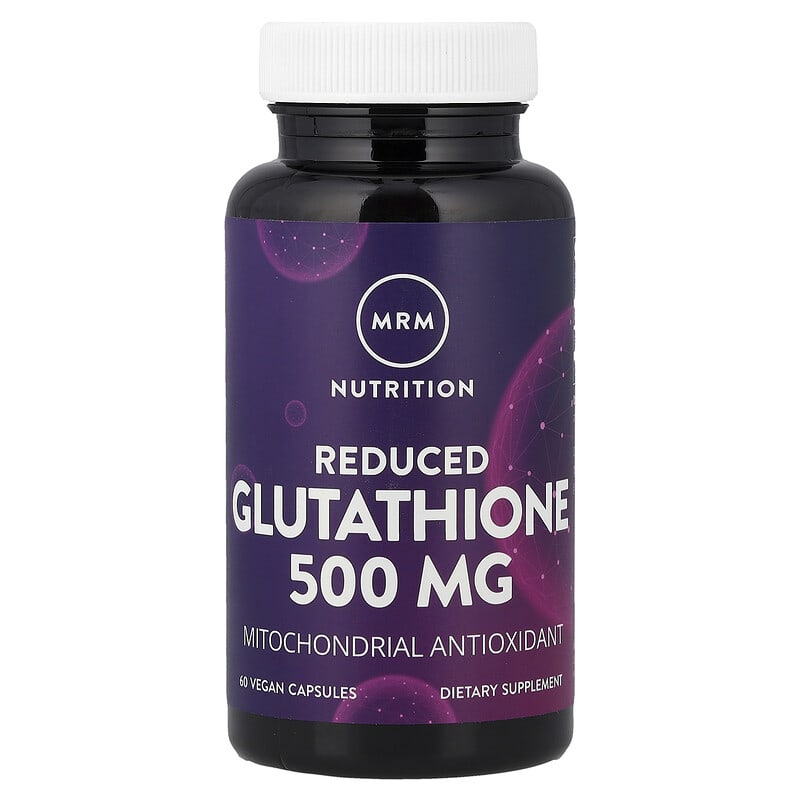
Reduced glutathione (GSH) generally refers to glutathione in its antioxidant state—often sold as “reduced glutathione” or “L-glutathione.” Many shoppers start here because antioxidants are usually discussed in terms of “reduced” being more directly active.
Oxidized glutathione (GSSG) is glutathione in a different oxidation state. It’s sometimes marketed as part of the body’s glutathione redox system, where glutathione forms can interconvert. That sounds promising, but supplement results can be inconsistent across people because real-world outcomes depend on more than the product’s oxidation state.
Who might prefer reduced: Most 25–34 men trying glutathione for general antioxidant support, recovery routines, or oxidative-stress lifestyle factors (sleep disruption, high training volume, heavy schedule) tend to start with reduced glutathione. The rationale is straightforward and label-friendly.
Who might consider oxidized: Some consumers pick oxidized glutathione because they’re trying to follow the “cycling” concept, especially if they’ve already experimented with reduced and saw limited changes. There are also niche product lines that position oxidized forms differently.
But here’s the practical truth: If you’re eating a relatively balanced diet, sleeping reasonably, and not dealing with a clear medical issue, you may not notice dramatic changes with either reduced or oxidized glutathione. The most noticeable effects, when they happen, are often subtle: how you feel day-to-day, perceived recovery, or GI tolerance—not a transformation.
Practical Benefits and Where It Falls Short
Potential practical benefits people look for:
- Antioxidant support as part of overall nutrition
- Support for exercise-related oxidative stress (mostly a “possible help,” not a guarantee)
- Occasional reports of better perceived stamina or recovery (subjective)
- Some consumers pair it with vitamin C, selenium, N-acetylcysteine (NAC), or glycine to support glutathione pathways
Where reduced vs oxidized glutathione can disappoint: your body already manages glutathione chemistry, and supplement outcomes are not uniform. If you’re expecting a strong “on/off” effect, you may feel underwhelmed—especially over only 2 weeks.
Personal experience (a positive case): I tested a reduced glutathione capsule during a busy 10-day period with inconsistent sleep. I used a consistent daily dose (within the typical label range) in the morning with food. The most realistic change I noticed wasn’t a “health metric jump.” It was that I felt less drained after long workdays and my workouts felt a touch smoother—more like “slightly easier to maintain intensity” rather than “I got superhuman.” GI was fine, and I didn’t notice headaches. My overall takeaway was: reduced glutathione felt like it fit better with my routine and tolerance.
Negative case (failure + red flag behavior): A friend of mine tried an oxidized glutathione product because they believed “oxidized must be better” for cycling. They used a higher-than-recommended dose at first because they wanted faster results. Within a few days they reported stomach discomfort and a mild headache pattern. They also changed two other things at the same time (more caffeine and a new pre-workout). When they stopped and reset to a lower dose, symptoms eased. Lesson learned: whether you pick reduced or oxidized glutathione, dose escalation and stacking changes can muddy the results and increase side effects.
What Research Suggests and What It Doesn't
Research on glutathione supplementation exists, but it’s not a single clean story. Many studies focus on biomarkers, oxidative stress markers, or clinical endpoints depending on the condition being studied. That means you can find results that look “promising” while still being hard to translate into everyday expectations.
Evidence tends to support: antioxidant pathway relevance and glutathione redox involvement.
Evidence has limits:
- Form-to-outcome translation: reduced vs oxidized doesn’t always map neatly to the outcome a buyer cares about (energy, recovery, “feeling better”).
- Absorption differences: capsules, tablets, liposomal formulations, and other delivery methods can change how much glutathione ends up available in the body.
- Endpoint mismatch: lab markers may move without you feeling a noticeable difference.
- Short trials: many consumer expectations are based on “2-week changes,” but trials can be longer for meaningful endpoints.
- Confounders: participants’ diet, training load, sleep, alcohol, and co-supplements matter a lot.
Risk and caution notes (not fear-based, just realistic): Glutathione products are generally tolerated by many users, but side effects like nausea, upset stomach, headaches, or fatigue have been reported with certain supplements in general. If you have asthma, kidney issues, or take multiple medications, be careful—especially when starting a new antioxidant supplement regime. Reduced vs oxidized glutathione may behave differently for different people, and “more” doesn’t automatically mean “better.”
Bottom line: Research supports that glutathione is biologically relevant. It doesn’t provide a universal, guaranteed answer to which glutathione is best reduced or oxidized for every person or every goal.
Ingredients, Formats, and Quality Signals
In practice, the label details often matter more than the oxidation-state label alone. When scanning products, look at:
- Form clarity: “reduced glutathione” vs “oxidized glutathione” or clearly stated GSH vs GSSG where available.
- Additional ingredients: Some formulas add vitamin C, selenium, glycine, or NAC (though NAC is not glutathione itself; it supports glutathione synthesis).
- Delivery technology: liposomal or enhanced absorption formats can be marketed as improving bioavailability.
- Dosage transparency: you should be able to see the milligrams per serving for glutathione, not only a blend name.
- Third-party testing / quality standard: certifications or testing statements help, especially for supplements that can vary batch-to-batch.
- Allergen & excipient check: if you react to fillers, sweeteners, or certain capsule materials, the “non-glutathione” ingredients can be the real culprit.
Common product forms you’ll see:
- Capsules/tablets: usually reduced glutathione, sometimes “stabilized” with other antioxidants.
- Liposomal glutathione: often reduced, sometimes positioned for better absorption.
- Powders: reduced or oxidized variants; dosing flexibility can be helpful but requires accurate measuring.
- Sodium glutathione: often marketed as oxidized; check how the label defines oxidation state and dose.
Quality standards (consumer-friendly checks): Choose products with transparent dosing, a clear ingredient list, and testing/verification claims that are specific (not vague). If a product doesn’t list glutathione milligrams clearly, it’s harder to assess whether you’re getting a meaningful dose.
Comparison of Common Options
Below is a consumer-style comparison of common ways people buy glutathione. Dose ranges vary by brand and the product’s exact form, so treat these as typical starting points rather than fixed rules.
| Format | Typical Dose/Use | Pros | Cons | Cost | Best For |
|---|---|---|---|---|---|
| Reduced glutathione capsule (standard) | Often 250–500 mg/day | Clear labeling, easy routine, widely available | Results may be subtle; absorption varies | $–$$ per month | First-time users focusing on reduced glutathione |
| Liposomal reduced glutathione | Often 250–500 mg/day (varies by brand) | Commonly marketed for improved delivery; may feel easier on schedule | Higher cost; still may not feel “dramatic” | $$–$$$ per month | Users who want a delivery upgrade without stacking many supplements |
| Oxidized glutathione (GSSG/sodium glutathione) | Varies; follow label rather than “more” | Different approach; some people prefer the cycling logic | Evidence is less consistent for consumer-perceived outcomes | $–$$$ per month | People who already tried reduced glutathione and want a different angle |
| Reduced glutathione + supporting nutrients (e.g., vitamin C/selenium/glycine blend) | Usually 100–500 mg/day glutathione + extras | Targets multiple pathway points; may help if your diet is lacking | Harder to know what caused any effect; can increase side-effect risk | $$ per month | Buyers who want a “support blend” but can tolerate added ingredients |
| Glutathione pathway support (NAC + glycine/vitamin C; not direct glutathione) | Depends on product; NAC dosing varies widely | May support internal glutathione production; different mechanism | Not the same as “which glutathione is best reduced or oxidized?” | $–$$ | Those who want upstream support instead of direct reduced/oxidized glutathione |
Buying Framework and Red Flags
Think of this as a practical checklist you can use while you shop—especially if you’re trying to decide which glutathione is best reduced or oxidized for your routine.
- Checklist:
- Look for exact glutathione form wording: “reduced” vs “oxidized” (or GSH vs GSSG).
- Confirm the milligrams of glutathione per serving (not only “proprietary blend”).
- Check serving size and your daily cost (price per day matters).
- Prefer products with clear ingredient lists and transparent manufacturing/testing statements.
- Start at the label’s lower end if you’re sensitive to supplements.
- Avoid “stack too fast” behavior (too many new products in the same week).
- Watch for red flag marketing: absolute claims (“guaranteed results,” “detox cures”), before/after transformations, or dramatic recovery promises.
- Be cautious with oxidized glutathione products if the label is vague on dosage or oxidation state.

Common Mistakes and How to Avoid Them
Mistake 1: Assuming reduced glutathione automatically beats oxidized glutathione for everyone. In reality, your body handles redox cycling, and your outcomes depend on dose, delivery, and baseline conditions.
Mistake 2: Jumping to the highest dose on day one. If you’re aiming for “which glutathione is best reduced or oxidized,” you also need a clean test setup. High doses can increase GI upset and cloud interpretation.
Mistake 3: Changing your diet, training, caffeine, and sleep at the same time. If you feel better (or worse), you won’t know what caused it.
Mistake 4: Treating “no noticeable effect” after 7–14 days as proof it doesn’t work. For many people, you’d need longer observation and consistent routine. Still, if you feel side effects, that’s your signal to stop.
Mistake 5: Ignoring the rest of the formula. Some products add ingredients that drive side effects or that are doing the work instead of glutathione itself.
FAQ
1) Is it proven which glutathione is best reduced or oxidized?
There’s solid rationale for glutathione’s role in redox biology, but “best” depends on the outcome you’re targeting and how the supplement is delivered. Studies vary widely in form, dosing, and endpoints, so no universal winner applies to every person.
2) How long does it take to notice any effect from reduced glutathione or oxidized glutathione?
Some people report noticing routine-level differences within 2–3 weeks, but it can also take 4–8 weeks for subtle changes to show up (if they do). If you don’t notice anything after a month, it may be reasonable to reconsider dose, format, or whether glutathione is the right lever for your goals.
3) What side effects should I watch for with glutathione (reduced or oxidized)?
Common reports include GI upset, nausea, headaches, or feeling “off.” Oxidized glutathione products may cause different tolerance issues for some users. If you notice persistent headaches, worsening breathing symptoms, rash, or severe stomach pain, stop and seek medical guidance.
4) Can I combine glutathione (reduced or oxidized) with vitamin C or NAC?
Many people combine glutathione with supportive antioxidants or pathway ingredients like vitamin C or NAC. However, combinations make it harder to know what’s helping and can increase the chance of side effects. If you combine, change one variable at a time and follow conservative dosing.
5) Is oral glutathione better than injection, or are there alternative approaches?
Oral supplements are the common consumer option, and evidence for oral forms is what most buyers can realistically evaluate. Injection approaches are not typical for self-use and require clinician administration. Alternative approaches include dietary strategies and “pathway” supplements (like NAC) that aim to increase glutathione production. Your best fit depends on safety, tolerability, and your goal.
A Practical 2-Week Experiment Framework
If you want an objective way to test which glutathione is best reduced or oxidized for you, treat it like a mini consumer experiment.
- Pick one variable: choose either reduced glutathione or oxidized glutathione (don’t test both at once).
- Use label dose first: start at the lower end of the typical label range (or follow the label exactly).
- Keep timing consistent: morning with food is a common approach; choose what you can repeat daily.
- Keep lifestyle stable: avoid changing caffeine, pre-workout, and sleep schedule mid-test if possible.
- Track 3 things: (a) GI tolerance, (b) headache frequency, (c) perceived recovery (a simple 1–10 rating after workouts).
- Week 1 check-in: if side effects show up, stop. If tolerated, continue.
- Week 2 decision: if nothing changes but you also feel normal, you can extend to 4–6 weeks. If you expected a noticeable change and you see zero signal after a month, reconsider format/dose—while still being conservative.
How to interpret failure: “Failure” isn’t only “it didn’t work.” If it caused side effects or made you feel worse, that’s actionable. If it did nothing, that’s also actionable—you may simply have a goal glutathione isn’t addressing or you may need a different delivery format.
Safety stop rules: discontinue if you develop significant GI distress, persistent headaches, rash, or any respiratory symptoms. If you have a medical condition or take medications, it’s smart to involve a clinician before experimenting.
About the Author
Alex Morgan is an independent supplement reviewer who has spent the last 7 years evaluating OTC supplement labels, dose transparency, third-party testing claims, and consumer tolerance patterns across many categories (antioxidants, sleep support, workout nutrition). Alex’s approach blends ingredient-list analysis with personal routine testing and “failure-case” notes (what happened when products didn’t agree with the body). This article is for education and purchasing guidance only—not medical advice—and it does not claim treatment, cure, or guaranteed outcomes from any specific form of glutathione.
Discussion