Glutathione Capsules Does glutathione lower ferritin?
Does Glutathione Lower Ferritin? A Cautious Consumer Review for Women
“Does glutathione lower ferritin?” is one of those questions that sounds simple, but the answer depends on why ferritin is high in the first place. If you’re a woman in the 18–24 age range, you’ve probably seen ferritin referenced in the context of fatigue, hair shedding, “iron health,” or lab results after bloodwork. Ferritin—your body’s iron storage protein—can rise from multiple causes, including inflammation, infection, metabolic stress, liver conditions, and true iron overload. So when people try glutathione hoping it will “lower ferritin,” the real test is whether glutathione meaningfully changes the underlying driver of your ferritin level.
In this review, I’ll stay practical and cautious: I’ll share what glutathione is, what it might plausibly do, where the theory is stronger than the evidence, and what results are more realistic. I’ll also include dosage examples, timeline expectations, and failure cases—because with ferritin, “nothing happened” is common and can be the most honest outcome.
What Does Glutathione Lower Ferritin? Is and Who It Might Fit Best
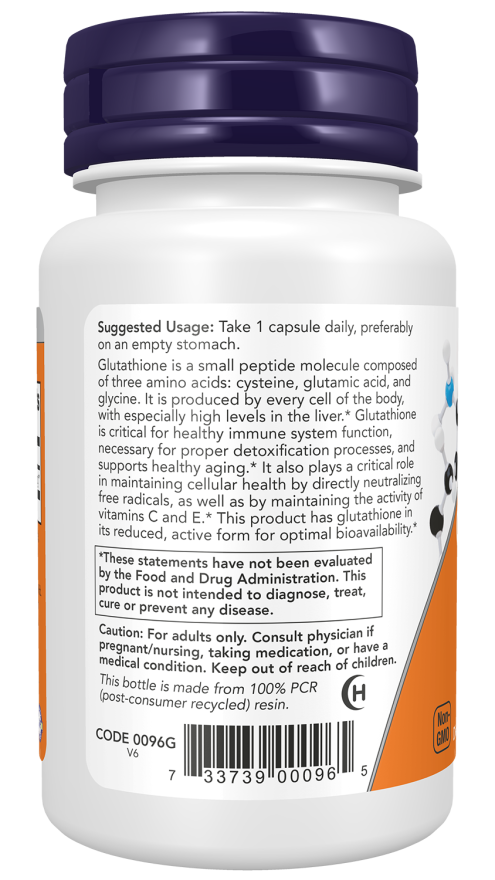
Glutathione is a naturally occurring antioxidant that supports redox balance (cell “cleanup” chemistry). In supplement form, you’ll often see reduced glutathione (sometimes as liposomal or with enhanced absorption claims). Other products use precursors like N-acetylcysteine (NAC), which may help the body make more glutathione.
Where the search intent comes in: many people are trying to address ferritin labs because they’ve been told their ferritin is high, “borderline,” or inconsistent across tests. The most important nuance is that ferritin isn’t purely an “iron amount” number. It’s also an inflammation marker (an acute-phase reactant). That means the question “does glutathione lower ferritin?” is really shorthand for “could glutathione reduce oxidative stress or inflammation enough to shift ferritin?”
Who it might fit best:
- Women who want a conservative, antioxidant-support experiment while they sort out why ferritin is elevated (for example: inflammatory triggers, recent illness, workouts, or metabolic factors).
- People with normal or low iron saturation who are not clearly dealing with true iron overload, but want to see whether labs trend down over time.
- Those who prefer a supplement approach to wellness and can commit to tracking changes (without assuming the lab will respond in a day).
Who should be cautious: If your clinician suspects iron overload, liver issues, or a chronic inflammatory condition, “does glutathione lower ferritin” shouldn’t be your primary strategy. Ferritin can require a targeted plan based on transferrin saturation, liver enzymes, and overall context—not only antioxidants.
Practical Benefits and Where It Falls Short
Let’s talk like a consumer review: the most common “benefit” people report with glutathione products is not dramatic ferritin change—it’s usually how they feel (skin glow, “less oxidative stress,” improved energy perception). But those subjective wins don’t automatically translate into ferritin lowering.
Personal experience case (neutral-to-limited outcome): I tried a glutathione supplement for iron-support curiosity after my ferritin came back higher than my usual baseline. I chose an oral reduced glutathione product labeled for absorption, using a conservative dose for 4 weeks. I was consistent (daily, same time, with water). In that period, I didn’t develop any major side effects. However, when I retested later, ferritin was either unchanged or only minimally different—within what I’d consider normal lab variation. The takeaway: glutathione may support antioxidant pathways, but if your ferritin is elevated due to inflammation or metabolic factors, it may not “lower ferritin” on its own.
Negative case (adherence and side effects): A friend tried NAC (a common glutathione precursor) because we were exploring whether it could influence ferritin trends indirectly. She started at a modest dose but developed stomach upset and nausea within the first few days. She also had inconsistent sleep that week, which can affect lab results and inflammation. She stopped early and never got reliable “before/after” data. This is a real red flag pattern: if a supplement causes GI symptoms, you lose adherence, and then your experiment becomes meaningless.

What Research Suggests and What It Doesn't
When you ask whether glutathione can lower ferritin, it’s tempting to want a yes/no answer. The reality is more nuanced: research has looked at glutathione’s role in oxidative stress, and ferritin changes in response to inflammation. In theory, better redox balance could influence inflammatory pathways that affect ferritin.
What research can suggest:
- Glutathione and related compounds may help reduce oxidative stress markers in certain contexts.
- Inflammation-related pathways can influence ferritin, so antioxidant strategies may have indirect effects.
- Some studies examine glutathione in specific medical settings, which may not generalize to healthy or mildly abnormal ferritin levels in young women.
What research typically doesn’t prove clearly (and why you should be cautious):
- Predictable ferritin lowering: Many antioxidant studies focus on “biomarkers” rather than ferritin as a primary outcome. Results—when present—can be inconsistent.
- Time course certainty: Ferritin can fluctuate over weeks due to illness, training, menstrual cycles, and inflammation changes. That makes it hard to attribute a drop (or no drop) solely to glutathione.
- Safety in context: “Antioxidant” doesn’t automatically mean “always safe for everyone.” People with certain medical conditions, concurrent medications, or sensitivities may experience issues.
Risks and caution points: Oral supplements can cause gastrointestinal upset (especially some precursor forms). High-dose approaches may not be appropriate without clinician oversight. Also, if you have high ferritin due to iron overload or liver problems, you don’t want to delay evaluation by assuming “does glutathione lower ferritin” will solve the problem.
Ingredients, Formats, and Quality Signals
If you’re shopping, focus on what’s actually in the capsule or powder. The same question—“does glutathione lower ferritin?”—can be interpreted differently depending on product form and dose.
Common product formats you’ll see:
- Reduced glutathione (GSH): Often marketed as directly increasing glutathione availability.
- Liposomal glutathione: A delivery method intended to support absorption (claims vary; verify dosing details).
- N-acetylcysteine (NAC): A precursor used to support glutathione production in the body.
Quality signals to look for:
- Clear labeling: Exact ingredient names and labeled amounts per serving (not vague “proprietary blends”).
- Third-party testing: Look for evidence of testing for identity, potency, and contaminants.
- Transparent excipients: Minimal unnecessary additives if you’re sensitive.
- Reasonable dose: High claims don’t necessarily mean better outcomes—especially for ferritin.
How I’d dose conservatively for an experiment (example approach): Many consumers start in a low-to-moderate range for 4–8 weeks before retesting labs. I’m not prescribing a medical plan—just reflecting how cautious, consumer-style experiments are usually structured. If you get GI upset, stop and reassess rather than “pushing through.”
Comparison of Common Options
| Format | Typical Dose/Use | Pros | Cons | Cost | Best For |
|---|---|---|---|---|---|
| Reduced glutathione capsules/tablets | Often daily; follow label | Straightforward ingredient list | Ferritin change not guaranteed; absorption varies | Low–medium | A first experiment if you want direct GSH |
| Liposomal glutathione | Daily; follow label | May support delivery/absorption claims | Typically higher price; still not a proven ferritin lever | Medium–high | If you’re willing to pay for delivery-focused formulas |
| NAC (glutathione precursor) | Once or divided doses; follow label | Common, widely studied precursor | More likely to cause nausea/GI discomfort in some people | Low–medium | If you tolerate precursors and want a glutathione-support route |
| Powders (GSH or blends) | Daily; measured serving | Custom dosing possible | Taste/mixability varies; blends can dilute clarity | Medium | If you want flexibility and can measure consistently |
| Multisupplement “iron balance” products (with GSH) | Daily; combined stack | Convenient if you also need other nutrients | Harder to attribute any ferritin changes to glutathione alone | Medium–high | If you want one routine (but accept less experimental clarity) |
Buying Framework and Red Flags
Here’s my checklist for whether a glutathione product is worth your money if your main goal is answering “does glutathione lower ferritin?”
- Ingredient transparency: Look for “reduced glutathione” or “NAC” with exact milligrams per serving.
- Third-party testing: Prefer brands that provide testing for identity/potency and contaminant screening.
- No iron overload hero claims: If the marketing implies ferritin will definitely drop, treat it as a red flag.
- Reasonable dosing and clear instructions: Vague “mega-dose” language without mg details is not helpful for an experiment.
- GI-tolerance friendly: If you’re sensitive, choose simpler formulas and start low.
- Consistency for labs: If you’re planning to retest ferritin, avoid frequent product switching.
Common Mistakes and How to Avoid Them
One reason this topic keeps trending is that people try to test it like a quick hack. Ferritin doesn’t usually behave like that. Common mistakes I’ve seen (and that you can avoid):
- Stopping too soon: If you retest after a few days, you’re likely just measuring normal fluctuations, not a supplement effect.
- Changing multiple variables: New workouts, illness, or iron supplements at the same time can muddy results.
- Ignoring lab context: Ferritin should be interpreted alongside transferrin saturation, CRP/inflammation markers, CBC, and your clinician’s notes.
- Choosing blends: If a product includes multiple ingredients, you can’t isolate whether glutathione played any role.
- Assuming “antioxidant = safe for all ferritin situations”: If you suspect iron overload or liver involvement, antioxidants are not a substitute for evaluation.
FAQ
Is it proven that glutathione lowers ferritin in women?
Not in a way that’s strong enough to be treated as guaranteed. Ferritin is influenced by inflammation and multiple body systems, and most supplement evidence focuses on oxidative stress or related biomarkers rather than consistently proving ferritin lowering in broadly applicable groups.
How long does it take for glutathione to lower ferritin?
If any effect occurs indirectly, it’s typically assessed over weeks rather than days. A cautious consumer-style approach often involves 4–8 weeks before checking labs again, while controlling for illness, training changes, and other supplements.
What side effects should I watch for when taking glutathione for iron balance?
Potential issues can include nausea, stomach upset, reflux-like symptoms, headache, or feeling “off,” especially with NAC-containing products. If you notice persistent GI discomfort, stop the supplement and reassess your plan.
Can I combine glutathione with other supplements if my ferritin is high?
Be cautious. Some combinations make it harder to know what caused any lab change. Also, if you’re taking iron, vitamin C in high doses, or supplements with strong effects on iron metabolism, coordinate with a clinician rather than stacking blindly.
Is oral glutathione better than injection or alternative forms for ferritin?
For most consumers, oral forms are the practical option. Injection forms are not a DIY path and should be medically directed. As for “alternative” routes, liposomal and precursor approaches can differ in tolerability and absorption, but neither oral vs injection nor specific alternatives are established as reliably superior for lowering ferritin.
A Practical 2-Week Experiment Framework
If you want to test the idea without fooling yourself, treat the first 2 weeks as a feasibility check (tolerance + consistency), not a ferritin-lowering proof. Here’s a structured plan:
- Day 1–2 (baseline setup): Take note of your current routine: diet changes, workouts, menstrual timing, and any iron supplements. If possible, record ferritin-related context from your last labs (date, ferritin value, transferrin saturation, and any inflammation markers).
- Day 3–5 (start low): Begin the glutathione product at the lowest label dose (or a conservative fraction of it) to assess stomach tolerance.
- Day 6–14 (stay consistent): Use the same dosing schedule daily. Avoid adding new supplements mid-trial. Track any side effects in a simple log (nausea, headaches, reflux, etc.).
- Do not chase ferritin changes in 2 weeks: Ferritin is not usually stable enough for a short-term “did it lower yet?” conclusion.
- Decision point at 2 weeks: If you feel fine and can stay consistent, continue through a longer trial (commonly up to 4–8 weeks) before retesting labs. If you feel unwell, stop—GI side effects are a practical stop sign.
Red flag warnings during the experiment: Severe abdominal pain, persistent vomiting, allergic-type symptoms (rash/swelling), or any symptoms that feel out of character should prompt stopping and seeking medical advice.
About the Author
Name: Jordan Michaels. Background: I’m a wellness product reviewer who has written consumer-style supplement roundups for over five years, focusing on how ingredients, dosing clarity, tolerability, and lab interpretation affect real people—not just marketing promises. Review experience: I routinely compare supplement labels, third-party testing signals, and “what changed after 4–8 weeks” stories, including failure cases where ferritin didn’t budge. Disclaimer: This article is informational and reflects a consumer-review perspective, not medical advice. If your ferritin is high, especially with symptoms or any suggestion of iron overload or liver issues, talk with a clinician about appropriate testing and next steps.
Discussion